This week I have been wrestling with one of the hardest early challenges — deciding on a direction for my Final Major Project. It has not been straightforward. I know I want to explore typography further, and I know my strongest past project was language based, but beyond that the path feels uncertain.
I am drawn to editorial design and the idea of a physical outcome. The thought of holding something at the end of this course. A book or publication that represents my journey is very appealing to me. At the same time, I keep circling around questions of theme, purpose, and focus. To help me break through this block, I have been immersing myself in the work of other designers and engaging with the Phase 1 lectures, which are already prompting me to think more critically about research and practice.
Phase 1 Lecture: Social Change and UX
One of the most striking provocations from this lecture was: What role do we, as graphic designers, have to play in an increasingly complex social and political world?
Design is presented not just as a tool to inform or inspire, but as a way of shaping behaviour and influencing change. It is not enough to make things look good; our work has to be socially and politically aware, and participation should be built into the process.
Key Ideas
Understanding Social Design: Social design is intentionally broad and fluid. Ramia Mazé’s concept of critical design highlights the importance of self awareness, questioning norms, and addressing wider social challenges.
Historical Influence: Victor Papanek’s insistence on ecological, social, and ethical dimensions remains as urgent today as it was in the 1980s.
Archives as Living Sites: Projects like The Great Diary Project show how personal stories and overlooked voices can become powerful counter-narratives to official histories.
Walking as Research: Joe’s use of walking to interrogate sites such as the Olympic Park reframes everyday environments as spaces for memory, gentrification, and hidden histories.
Participatory Research and Ethics: Projects such as Balfron Tower reveal how easily community voices can be overlooked. The reminder here is that reciprocity and legacy matter — what do we leave behind, and how do we include people properly?
Intergenerational Design: Through The Age of No Retirement project, 10 design principles were developed, ranging from accessibility to empowerment. These now influence work across planning and architecture.
Personal Story as Research: Joe’s exploration of his family history in Ukraine highlighted how personal narratives can open into wider cultural and political debates.
Takeaway Principles for My Practice
- Observe surroundings and begin with what is close.
- Seek out unheard voices.
- Design engagement deliberately rather than leaving it to chance.
- Treat ethics as strengths, not obstacles.
- Know my position and challenge my own assumptions.
- Value personal stories as entry points into wider conversations.
Anthony Burrill
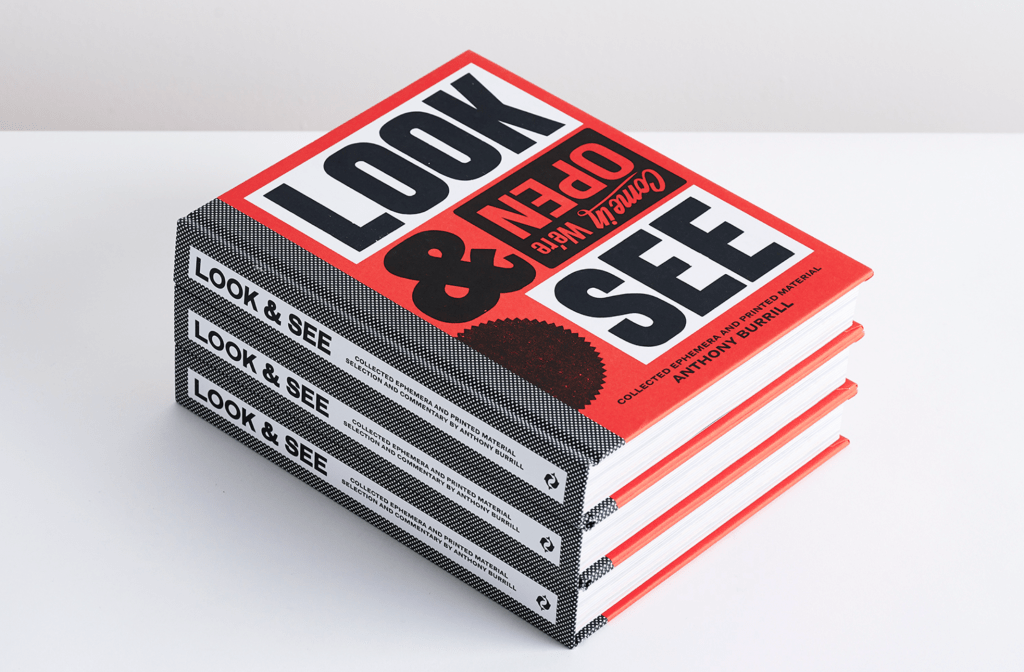
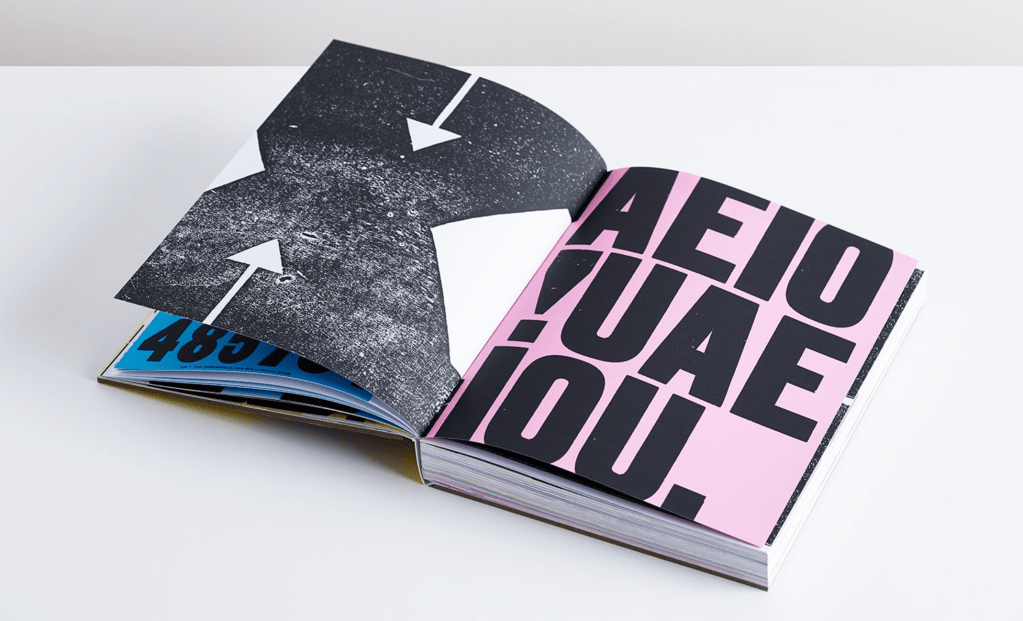
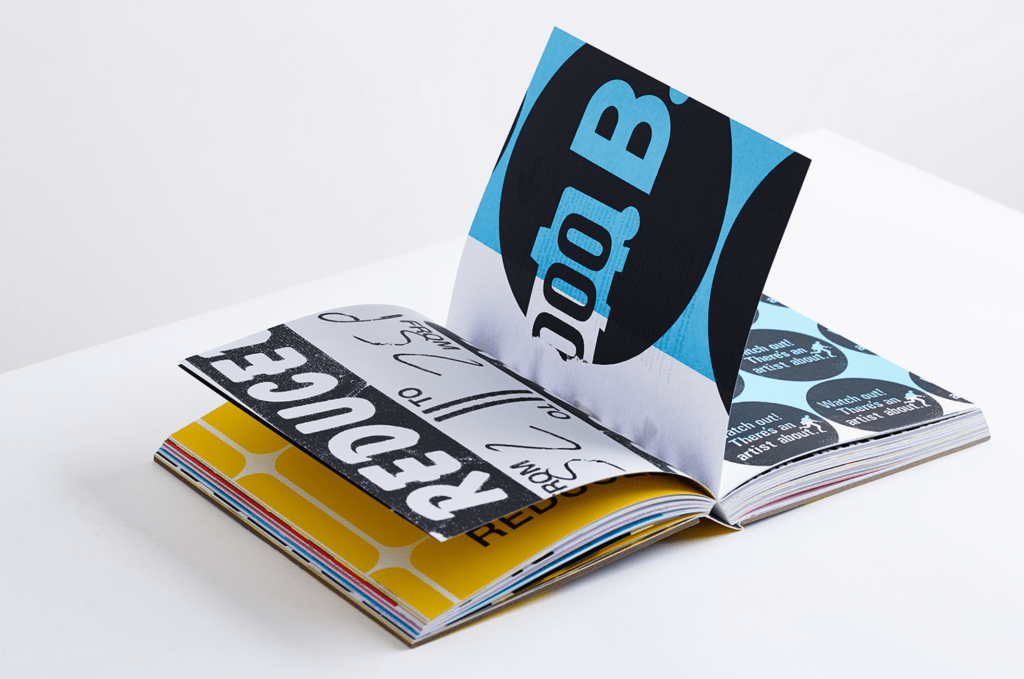
Look and See – This is a publication that if full of collected material from Anthony Burrill’s career. This publication explores collection, a deep desire for his craft and this ability to curate and document what has happened within one’s career. It also documents Burrill’s found materials from around him, which also allows us as the reader to gain an insight into his life and form a more personal connection with his own practice.
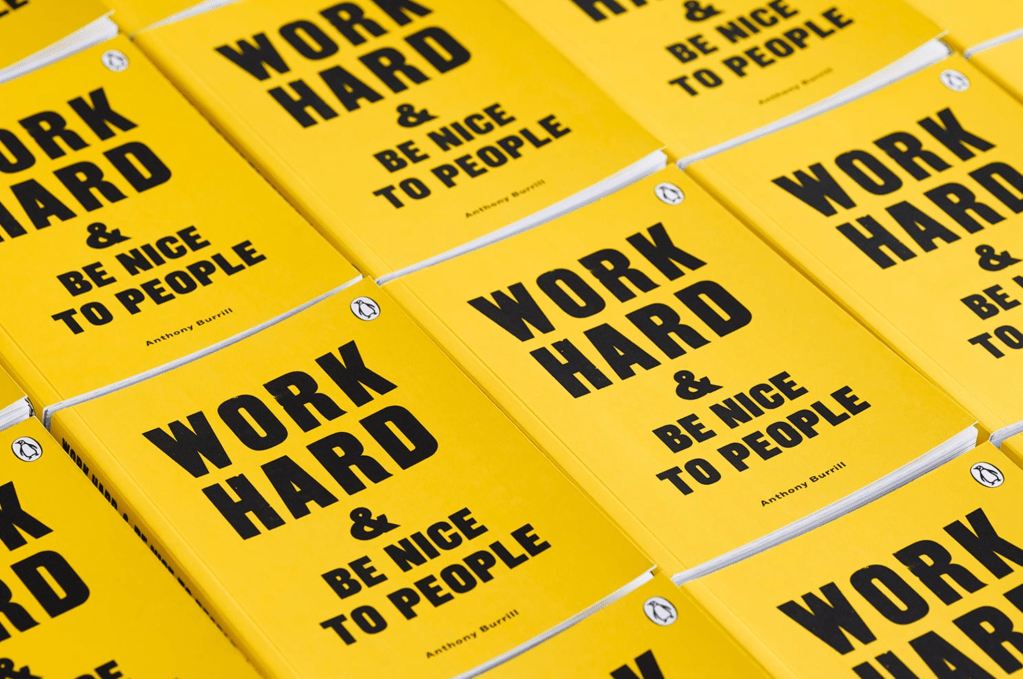
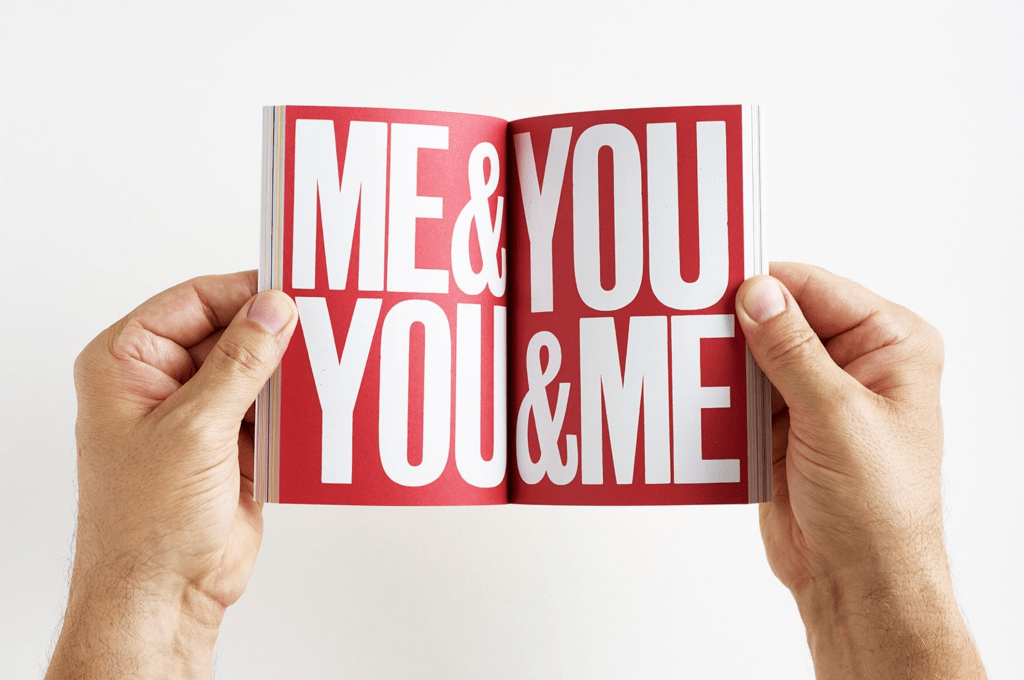
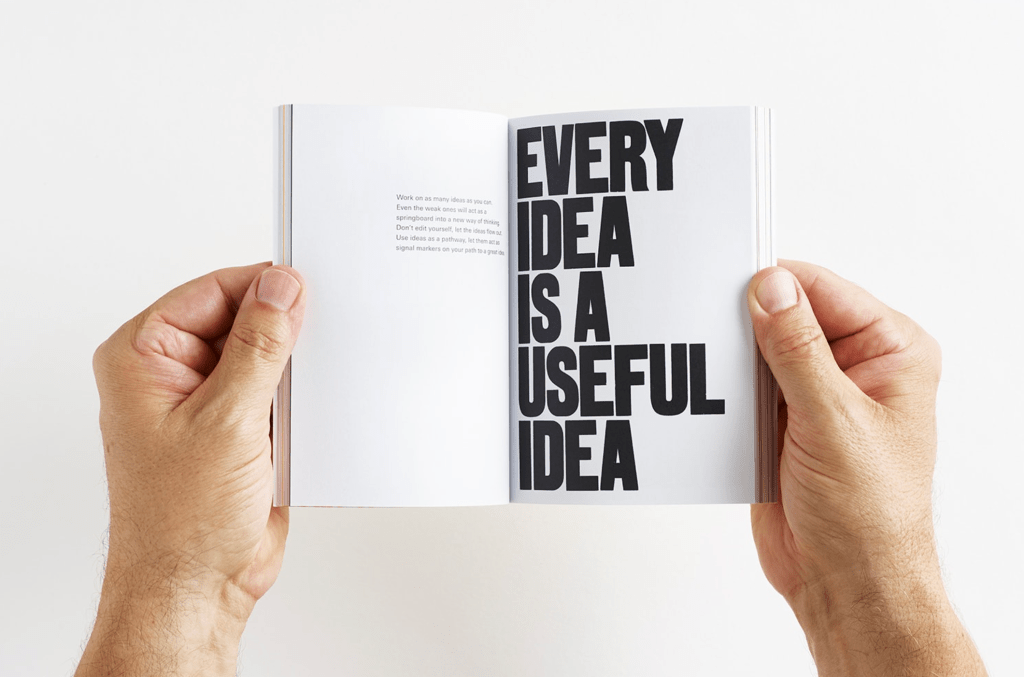
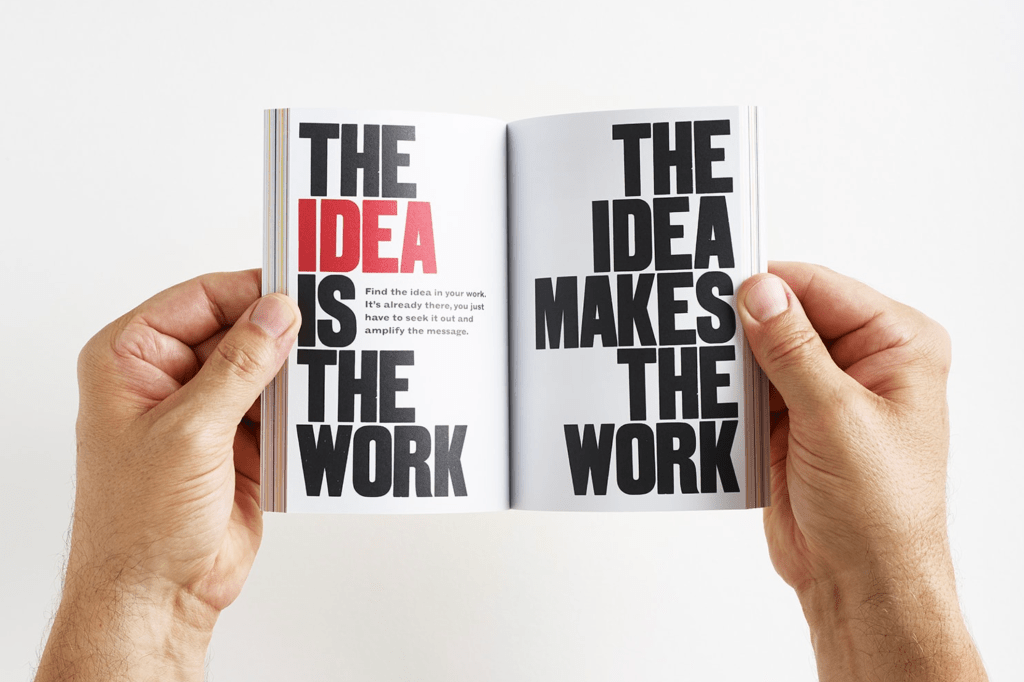
Work hard and be nice to people – This is one of Burrill’s publications. This collective design is a more centred about affirmations and advice that Burrill would give to one of his fans or an up and coming designer. This small book is packed full of different typographic designs and layouts that would give the reader the impact of understanding and belief. I think that this collective is more of a self-help guide to those that would believe that they need the wise words of someone that has been established within the industry to help and guide them through their journey.
Irma Boom – This book is not a PDF.
This video is a talk from Irma Boom who is well known within the Editorial and Publication industry. Within this lecture, Boom discusses her works and uses this compact book to argue that printed books offer a sensory and intellectual experience that digital formats like PDFs cannot replicate. Drawing from her own design philosophy and portfolio of experimental bookmaking, she reflects on the book as a three-dimensional object, one that engages the reader through touch, smell, weight, and interaction over time.
“A PDF is not a book; it is a flat representation. A book is spatial, it has volume, it is a temporal experience.” – Irma Boom
Boom challenges the idea that digital publishing is superior or inevitable, insisting that the book is not obsolete—rather, it is evolving. She highlights the importance of typography, sequencing, paper choice, and binding in creating meaning, and criticises the static, scroll-based format of PDFs as lacking spatial and temporal depth.
The book itself is a meta-design: small, tactile, and unconventional in format, it embodies her belief that the physical form of a book can be as critical as its content.
Reflection
This week has reminded me that my uncertainty is part of the process. I may not yet know the exact direction for my Final Major Project, but I do know the ground it will sit on: typography, language, culture, and the possibilities of the book as a medium.
The lectures have reframed how I think about design as social, ethical, and participatory. My designer research has reinforced my interest in editorial outcomes that feel personal, physical, and enduring.
I am starting to see that this project may not be about finding a single perfect idea, but about creating a framework where these interests can meet and evolve over time.
 LSJ DESIGNS
Leave a comment